Table of Contents
Open any closet and you’ll find a small universe of types of clothing, each one solving a different problem such as staying warm, looking sharp for a meeting, moving freely through a workout, or honoring a tradition passed down for generations. Fashion has always worked this way: form follows function, then function gets a little fun added on top.
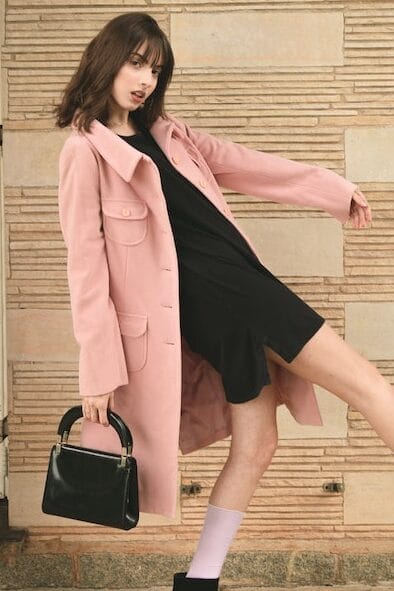
This guide breaks down every major category of clothing worn today from the jeans-and-tee basics you reach for daily to the ceremonial garments worn once a year but remembered for a lifetime. Whether you’re building a capsule wardrobe, writing a school project, or just curious what separates a caftan from a kaftan-style tunic, you’ll find it here.

1. Everyday and Casual Wear
This is the category that fills most of your closet, because it’s built for the 80% of life that isn’t a special occasion.
- T-shirts and tanks – the most reached-for piece in almost any wardrobe, available in crew, V-neck, and scoop styles
- Jeans and denim trousers – skinny, straight, wide-leg, boyfriend, and mom-fit cuts each flatter differently
- Hoodies and sweatshirts – layering pieces that moved from gym bags to street style over the last decade
- Leggings and joggers – comfort-first bottoms that now double as daywear thanks to the athleisure boom
- Casual dresses and sundresses – shirt dresses, wrap dresses, and slip dresses for warm-weather ease
- Sneakers and slip-ons – the footwear default for casual outfits
Styling note: the easiest way to elevate casual wear is to contrast a relaxed hoodie with tailored trousers, or a plain tee with a structured blazer.

2. Business and Business Casual Wear
Office dress codes have loosened, but there’s still a clear line between “workwear” and “weekend wear.”
- Business casual: tailored trousers or midi skirts, button-downs or blouses, loafers or low block heels
- Business formal: matching suits, sheath dresses, pencil skirts with blazers
- Smart-casual hybrids: knit polos, chinos, and structured cardigans common in creative or hybrid-work offices
The safest rule for business casual is “one polished piece anchors two relaxed ones” a blazer over a t-shirt and jeans reads intentional rather than underdressed.
3. Formal and Evening Wear
Reserved for weddings, galas, and black-tie events, formal wear is defined by fabric quality and construction rather than just style.
- Suits and tuxedos – for men with midnight-blue and classic black remaining the most versatile choices
- Evening gowns and cocktail dresses – for women floor-length for black-tie, knee-length for cocktail attire
- Sherwanis, lehengas, and formal saris – for South Asian celebrations
- Waistcoats and formal accessories – cufflinks, pocket squares, and bow ties that complete the look
4. Outerwear
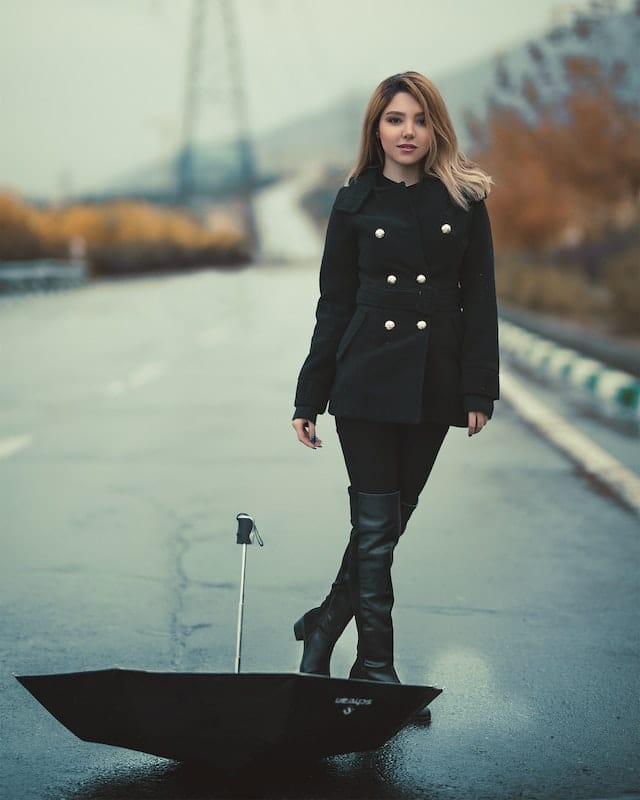
Outerwear bridges the gap between staying warm and staying stylish and the right piece can define an entire outfit.
- Coats: trench, wool overcoat, peacoat, and duffle coat
- Jackets: denim, bomber, leather biker, and puffer
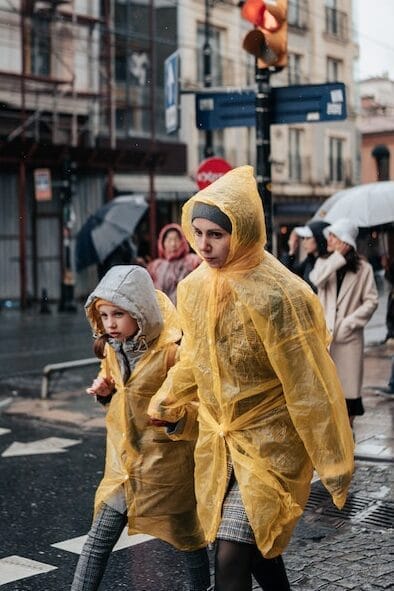
- Rain protection: raincoats and PVC-lined jackets for wet climates
- Windbreakers: lightweight, packable layers for transitional weather
5. Winter Wear
Winter wears layers of warmth without sacrificing shape.
- Scarves and mufflers: both functional and a quick way to add color to a neutral outfit
- Sweaters: crewneck, turtleneck, cardigan, and cable-knit
- Thermal base layers: worn under other clothing in extreme cold
- Shawls and wraps: pashmina, cashmere blends, and knit ponchos
6. Athletic and Activewear
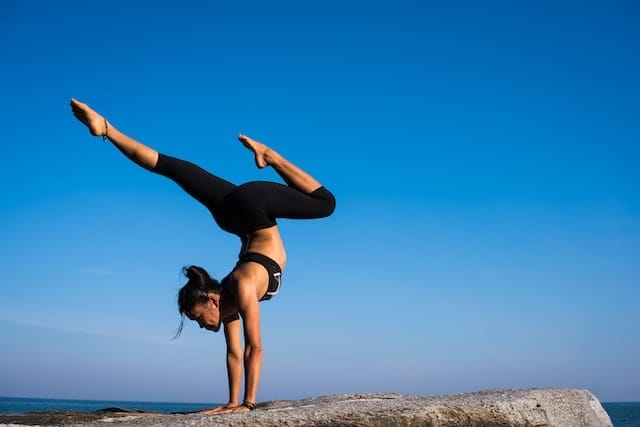
Built around performance fabrics, moisture-wicking polyester, spandex blends, and increasingly, recycled materials.
- Tracksuits and joggers for warmups and travel
- Sports bras and compression tops for support during training
- Gym shorts and leggings for range of motion
- Swimwear: one-pieces, bikinis, and swim trunks
- Team and sport-specific gear: jerseys, leotards, cleats-compatible shorts
Athleisure and activewear worn outside the gym has become its own permanent category rather than a trend, which is worth a mention if you’re writing for a style-conscious audience.
7. Loungewear and Sleepwear
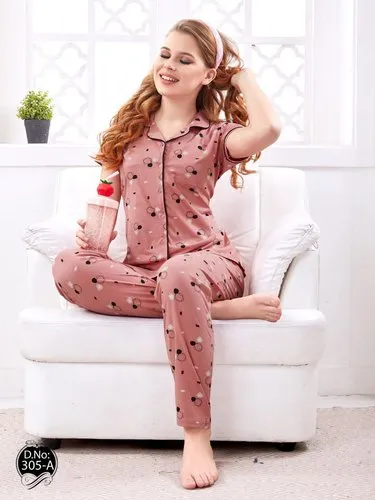
Designed for comfort at home rather than performance or presentation.
- Pajama sets: cotton, flannel, or silk depending on season
- Nightgowns and sleep dresses
- Robes: terrycloth for post-shower, silk or satin for a more elevated feel
- Loungewear sets: matching sweatshirt-and-jogger sets that blur the line between sleepwear and “athleisure at home”
8. Underwear and Foundation Garments
The unseen layer that shapes how every other layer fits.
- Bras: everyday, sports, strapless, and shapewear-integrated styles
- Underwear: briefs, boyshorts, thongs, and boxers
- Shapewear: built to smooth silhouettes under fitted clothing
- Undershirts and camisoles: layering pieces worn beneath sheer or low-cut tops

9. Traditional and Cultural Wear
Traditional clothing carries history in every seam and deserves more than a passing mention.
- Saree and lehenga (India): draped and stitched garments with regional variations from Banarasi to Kanjeevaram
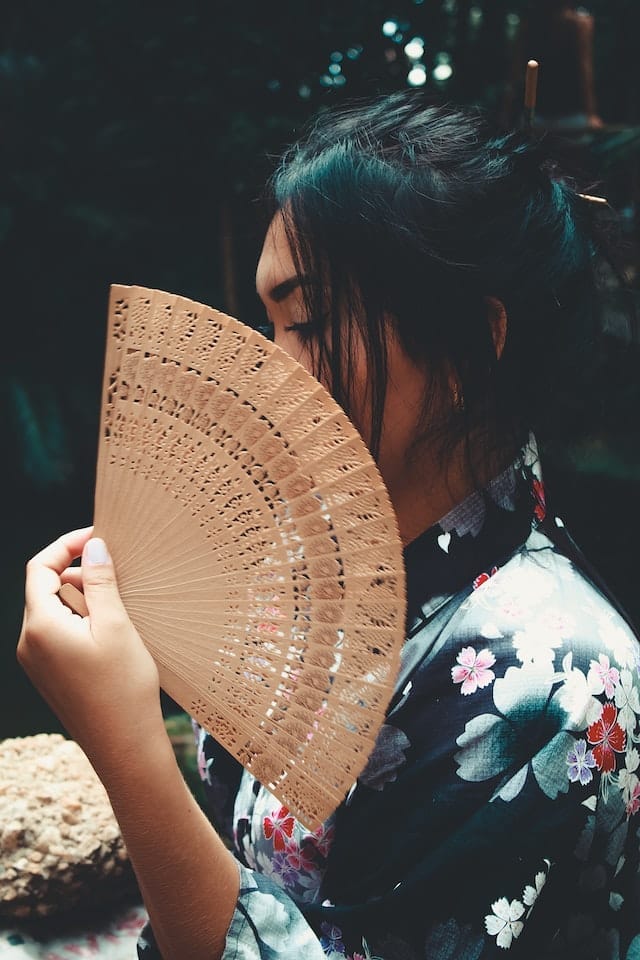
- Kimono (Japan): worn with an obi sash, styles differ by formality and life stage
- Hanbok (Korea): a jeogori (jacket) paired with a chima (skirt) or baji (trousers)
- Kilt (Scotland): tartan-patterned formal wear tied to clan heritage
- Dashiki (West Africa): a loose-fitting, often brightly patterned pullover
- Kaftan/caftan: originally an open-front Middle Eastern robe, popularized as a closed pull-on silhouette by designers like Christian Dior in the 1950s
- Cheongsam/qipao (China): a fitted, high-collared dress with side slits
10. Maternity Wear
A category worth its own space rather than folding into “everyday wear.”
- Maternity jeans and leggings with stretch panels
- Nursing-friendly tops and dresses with discreet access points
- Maternity activewear designed for supported movement
11. Kidswear
- Babywear: onesies, rompers, and swaddles
- Toddler and children’s everyday wear: durable, easy-care fabrics
- School uniforms: structured, standardized pieces by region and institution
12. Workwear and Uniforms
Clothing designed around a specific job’s demands.
- Uniforms: for healthcare, hospitality, aviation, and public service roles
- Protective wear: high-visibility vests, hard hats, flame-resistant coveralls
- Lab coats and scrubs: for medical and laboratory settings

13. Footwear
Not always classified as “clothing,” but no outfit is complete without it.
- Casual: sneakers, sandals, espadrilles
- Formal: oxfords, loafers, heels, and pumps
- Specialty: hiking boots, cleats, ballet flats

14. Accessories
The category that turns an outfit into a statement.
- Ties, bowties, and pocket squares
- Jewelry: necklaces, earrings, bracelets, rings
- Bags: totes, crossbody bags, clutches
- Belts, hats, and scarves
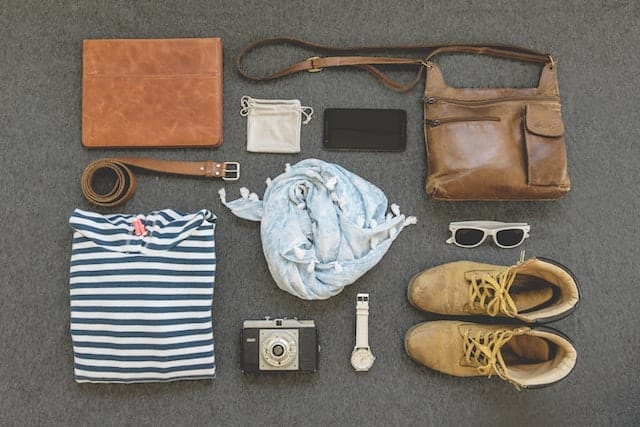
Popular Types of Clothing for Different Occasions
Choosing the right outfit can be essential for feeling comfortable and confident, no matter the event or setting.
Here’s a guide to popular clothing types for various occasions to help you look your best, whether you’re dressing for work, a casual day out, or a formal gathering:
1. Casual Wear: Everyday Clothing Style for Comfort
- Perfect for relaxed settings like hanging out with friends, running errands, or spending time outdoors.
- Common types include t-shirts, jeans, sundresses, and casual blouses. These options are versatile, comfortable, and easy to mix and match.
- Tip: Opt for breathable fabrics like cotton or linen to stay comfortable.
Also read about types of casual clothing that you should try !!
2. Business Attire
- Ideal for professional settings, from office wear to networking events.
- Common types include blazers, dress shirts, trousers, and pencil skirts. Neutral colors and tailored fits work best for a polished look.
- Tip: Accessorize with understated jewelry and a professional handbag to complete your outfit.
3. Formal or Evening Wear: Clothing Types for Work & Events
- Reserved for special events like weddings, galas, or formal dinners.
- Think of elegant gowns, cocktail dresses, suits, and tuxedos. Rich fabrics like silk or velvet add sophistication.
- Tip: For evening events, darker colors and metallic accents can create a dramatic effect.
Must Read about Formal or Evening type of clothing for every occasion !
4. Athleisure or Sportswear
- Perfect for workouts or a sporty, comfortable look that’s become popular even outside the gym.
- Typical items include leggings, athletic shorts, hoodies, and sports bras. Look for moisture-wicking materials to stay fresh during activities.
- Tip: Match your outfit with stylish sneakers to complete the active look.
5. Party and Festive Wear
- Great for parties, holiday gatherings, or any festive occasion where you want to make a statement.
- Sequin dresses, bold prints, or colorful suits can add excitement to your look. For a more traditional vibe, ethnic wear like saris, qipaos, or kimono-inspired outfits can also be showstoppers.
- Tip: Don’t be afraid to experiment with bold colors or statement accessories for a fun, celebratory look.
6. Luxury Wear
High-end pieces made with premium fabrics and craftsmanship. Often associated with prestige brands and timeless fashion statements, luxury clothing emphasizes both style and quality.
Common examples include:
- Embellished gowns
- Designer dresses
- Leather jackets
- Silk blouses
- Tailored coats
- Cashmere sweaters
Types of Clothing by Fabric
Natural Fabric Clothing
Cotton Clothing: Cotton is the go-to natural fiber around the globe, loved for its breathability, comfort, and versatility. When it comes to cotton clothing, you’ll find:
- Cotton t-shirts and casual tops
- Denim jeans and jackets (made from cotton)
- Cotton blouses and button-down shirts
- Cotton dresses and skirts
- Canvas pants and workwear
Best for: Everyday wear, hot climates, and those with sensitive skin
Care: Machine washable, but watch out—it can shrink if it hasn’t been pre-shrunk!
Wool Clothing: Wool is fantastic for keeping you warm and dry, thanks to its natural temperature regulation and moisture-wicking abilities:
- Merino wool sweaters and cardigans
- Wool coats and peacoats
- Wool suiting and trousers
- Cashmere scarves and accessories
- Wool socks and undergarments
Best for: Cold weather, professional settings, and those luxurious occasions.
Care: Usually needs dry cleaning or a gentle hand wash.
Silk Clothing: Silk is the epitome of luxury, offering natural temperature control and a beautiful drape:
- Silk blouses and shirts
- Silk dresses and evening wear
- Silk scarves and accessories
- Silk pajamas and loungewear
- Silk linings in jackets and coats
Best for: Formal occasions, professional attire, and special events.
Care: It’s best to dry clean or gently hand wash.
Linen Clothing: Breathable linen is perfect for warm weather and casual elegance:
- Linen shirts and blouses
- Linen pants and shorts
- Linen dresses and jumpsuits
- Linen blazers and jackets
- Mixed linen-cotton blends
Best for: Summer wear, vacation outfits, and relaxed professional settings.
Care: Machine washable, but be prepared for some wrinkles!
Synthetic Fabric Clothing
Polyester Clothing Durable and wrinkle-resistant polyester appears in:
- Athletic wear and activewear
- Professional blouses and dresses
- Outerwear and rain jackets
- Home and loungewear
- Blended fabric garments
Benefits: Wrinkle-resistant, colorfast, affordable Drawbacks: Less breathable than natural fibers
Performance Fabrics Modern synthetic blends designed for specific activities:
- Moisture-wicking workout clothes
- UV-protective swimwear and rashguards
- Waterproof and breathable outerwear
- Anti-microbial undergarments
- Temperature-regulating sleepwear
Clothing by Body Type
Plus Size Clothing (Sizes 14+)
- A-line dresses that cinch at the waist
- Wrap tops and dresses for flattering fit
- High-waisted pants and jeans
- Empire waist tops and dresses
- Structured blazers with defined waistlines
Petite Clothing (5’4″ and under)
- Cropped pants and ankle-length styles
- Shorter torso tops and jackets
- Mini and midi skirts (avoid maxi lengths)
- High-waisted bottoms to elongate legs
- Fitted styles that don’t overwhelm frame
Tall Clothing (5’8″ and over)
- Long-torso tops and tunics
- Maxi dresses and long skirts
- Extra-long sleeves and inseams
- Longer blazers and cardigans
- Wide-leg pants and palazzo styles
Adaptive Clothing
Designed for people with disabilities or mobility challenges:
- Magnetic closure shirts and pants
- Seated-fit pants and skirts
- Easy-access hospital gowns
- Compression garments
- Sensory-friendly fabrics and seamless designs
Cultural and Traditional Clothing
Asian Traditional Wear
Japanese Clothing
- Kimono: Traditional wrap-style robe with wide sleeves and obi belt
- Yukata: Casual summer kimono made from cotton
- Hakama: Wide-legged pants worn over kimono
- Geta and Zori: Traditional wooden and fabric sandals
Indian Clothing
- Saree: 6-yard fabric draped around the body
- Lehenga: Full skirt worn with fitted blouse (choli)
- Salwar Kameez: Tunic and loose pants combination
- Kurta: Long tunic worn by all genders
- Dupatta: Long scarf worn over Indian outfits
Chinese Clothing
- Cheongsam (Qipao): Form-fitting dress with high collar
- Hanfu: Traditional flowing robes with wide sleeves
- Tang Suit: Mandarin collar jacket and pants set
European Traditional Wear
Scottish Clothing
- Kilt: Pleated skirt traditionally worn by men
- Sporran: Decorative pouch worn with kilt
- Ghillie Shirt: Lace-up shirt worn with Highland dress
German/Austrian Clothing
- Dirndl: Traditional dress with bodice, blouse, and full skirt
- Lederhosen: Leather shorts with suspenders
- Trachten: General term for traditional Alpine clothing
African Traditional Wear
- Dashiki: Colorful loose-fitting shirt with symbolic embroidery
- Kaftan: Flowing robe worn across Africa and Middle East
- Boubou: Wide-sleeved robe popular in West Africa
- Kente: Traditional woven cloth from Ghana
Seasonal Clothing Guide
Spring Clothing (March-May)
Essentials for Transitional Weather:
- Light cardigans and sweaters
- Trench coats and light jackets
- Cotton and linen blouses
- Midi skirts and cropped pants
- Closed-toe flats and low boots
Spring Color Palette: Pastels, soft neutrals, fresh greens
Summer Clothing (June-August)
Hot Weather Essentials:
- Breathable cotton and linen fabrics
- Sleeveless tops and tank tops
- Shorts, capris, and midi skirts
- Sundresses and maxi dresses
- Sandals and breathable sneakers
- Wide-brimmed hats and UV protection
Summer Color Palette: Bright colors, whites, tropical prints
Fall Clothing (September-November)
Layering Season Essentials:
- Lightweight sweaters and cardigans
- Denim jackets and blazers
- Long-sleeve tops and turtlenecks
- Ankle boots and closed-toe shoes
- Scarves and light accessories
Fall Color Palette: Earth tones, burgundy, navy, warm neutrals
Winter Clothing (December-February)
Cold Weather Protection:
- Heavy coats and parkas
- Wool sweaters and thermal layers
- Insulated boots and warm socks
- Gloves, hats, and scarves
- Thermal underwear and base layers
Winter Color Palette: Deep jewel tones, classic black, rich browns
Sustainable Fashion Section
Eco-Friendly Clothing Types
Organic Clothing
- Organic cotton t-shirts and basics
- Hemp clothing and accessories
- Bamboo fiber garments
- Peace silk (cruelty-free) clothing
Recycled and Upcycled Clothing
- Recycled polyester activewear
- Upcycled vintage and thrift pieces
- Reconstructed designer clothing
- Zero-waste pattern clothing
Sustainable Brand Categories
- Slow fashion basics
- Ethical workwear
- Eco-friendly children’s clothing
- Sustainable luxury fashion
Tips for Sustainable Fashion Choices:
- Invest in quality pieces that last longer
- Choose versatile items that work for multiple occasions
- Learn proper garment care to extend clothing life
- Consider clothing swaps and secondhand shopping
- Support brands with transparent supply chains
Technology in Clothing
Smart Clothing Types
- Fitness tracking garments: Shirts and sports bras with built-in heart rate monitors
- Temperature-regulating clothing: Fabrics that adapt to body temperature
- UV-responsive clothing: Garments that change color based on sun exposure
- Moisture-wicking enhanced wear: Advanced synthetic blends for athletes
Performance Enhancement Clothing
- Compression garments: For improved circulation and muscle support
- Posture-correcting tops: Shirts designed to encourage better posture
- Anti-microbial clothing: Garments treated to prevent odor and bacteria
- Stain-resistant fabrics: Clothing with protective coatings
Regional Terminology Guide
Understanding clothing names around the world:
Footwear Terms
- Flip-flops: Also called thongs (Australia), jandals (New Zealand), slippers (Hawaii), chanclas (Latin America)
- Sneakers: Known as trainers (UK), runners (Canada), tennis shoes (Southern US)
Undergarments
- Undershirt: Called vest (UK), singlet (Australia)
- Underwear: Referred to as knickers (UK women), pants (UK general)
Outerwear
- Sweater: Called jumper (UK, Australia), pullover (general)
- Cardigan: Sometimes called cardi (informal), button-up sweater
Accessories
- Purse: Known as handbag (UK), bag (general)
- Fanny pack: Called bum bag (UK), waist bag (general)
Shopping and Care Tips
How to Shop for Quality Clothing
Check These Quality Indicators:
- Seam construction and stitching quality
- Fabric weight and texture
- Button and zipper quality
- Proper pattern matching at seams
- Adequate seam allowances
Red Flags in Clothing Quality:
- Very low prices for natural fiber claims
- Poor stitching or loose threads
- Cheap hardware (buttons, zippers)
- Chemical odors from fabrics
- Incorrect care labels
Clothing Care by Type
Delicate Items:
- Silk blouses: Hand wash or dry clean
- Cashmere sweaters: Gentle cycle or hand wash
- Beaded or sequined clothing: Professional cleaning recommended
Everyday Items:
- Cotton t-shirts: Machine wash warm, tumble dry low
- Jeans: Wash inside out in cold water, air dry when possible
- Athletic wear: Wash in cold water, avoid fabric softener
Professional Clothing:
- Suits: Dry clean or professional pressing
- Dress shirts: Proper folding or hanging immediately after washing
- Ties: Spot clean only, professional cleaning for stains
Conclusion
Clothing allows us to express our unique identities, cultural backgrounds, and personal values. Different clothing types serve varied functions and suit different contexts.
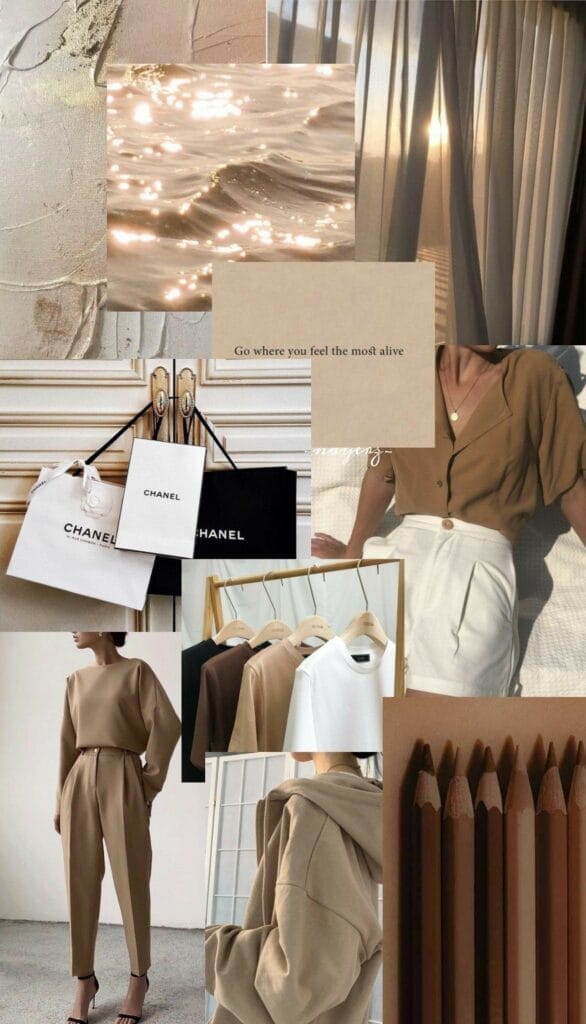
Slipping into comfortable nightwear, donning trousers for daily errands, or selecting elegant evening wear for formal occasions – the range of clothing options demonstrates the creativity of fashion designers and the diversity of cultures.
As trends evolve, we can expect more captivating and innovative ways to convey ourselves through clothing. Each garment tells a story, from the sophistication of a classic waistcoat to the laidback appeal of casualwear.
The contrast between warm winter apparel and breathable cotton fabrics shows how clothing meets diverse needs. Indeed, the multifaceted world of fashion is a testament to human creativity, with attire available for every occasion and season.
FAQs
What are the main categories of clothing?
The main categories include casual, formal, party, ethnic, activewear, streetwear, loungewear, business casual, sustainable, and luxury wear.
What is casual vs formal wear?
Casual wear is relaxed and comfortable, ideal for everyday use, while formal wear is structured and suitable for professional or special occasions.
What type of clothing is trending now?
Streetwear, oversized fits, sustainable clothing, and comfortable co-ords are currently very popular.
How do I find my clothing style?
Try different categories, mix and match, follow fashion bloggers, and choose what makes you feel confident and comfortable.
What is the difference between streetwear and casual wear?
Streetwear is a sub-category of casual wear with bold, trendy, often urban influences, while casual wear is broader and more versatile.
Can I mix different clothing types?
Absolutely! You can mix formal blazers with jeans, or wear sneakers with a dress—fashion is all about expressing yourself.
Is sustainable fashion expensive?
While some sustainable brands are pricey, there are affordable eco-friendly options available online and in stores.
What clothes are best for working from home?
Loungewear and business casual pieces that are comfy yet video-call-ready are perfect for working from home.


Pope Francis Jacket Good style jackets available visit now get 40% sale.
Great tool for managing daily chaos.